
EW TRANS CO.,LTD — founded in 2021, registered capital RMB 5 million, a MOFCOM-registered international freight forwarder. Team of 80+, 1,000+ clients served, 50+ overseas agents, and a service network covering 100+ cities. Four modes run in parallel: rail FCL, LCL rail groupage, FTL road haulage and ocean FCL, covering Russia, Europe (westbound and eastbound), Azerbaijan, Georgia and Iran.
Request rates and a routing plan View all lanes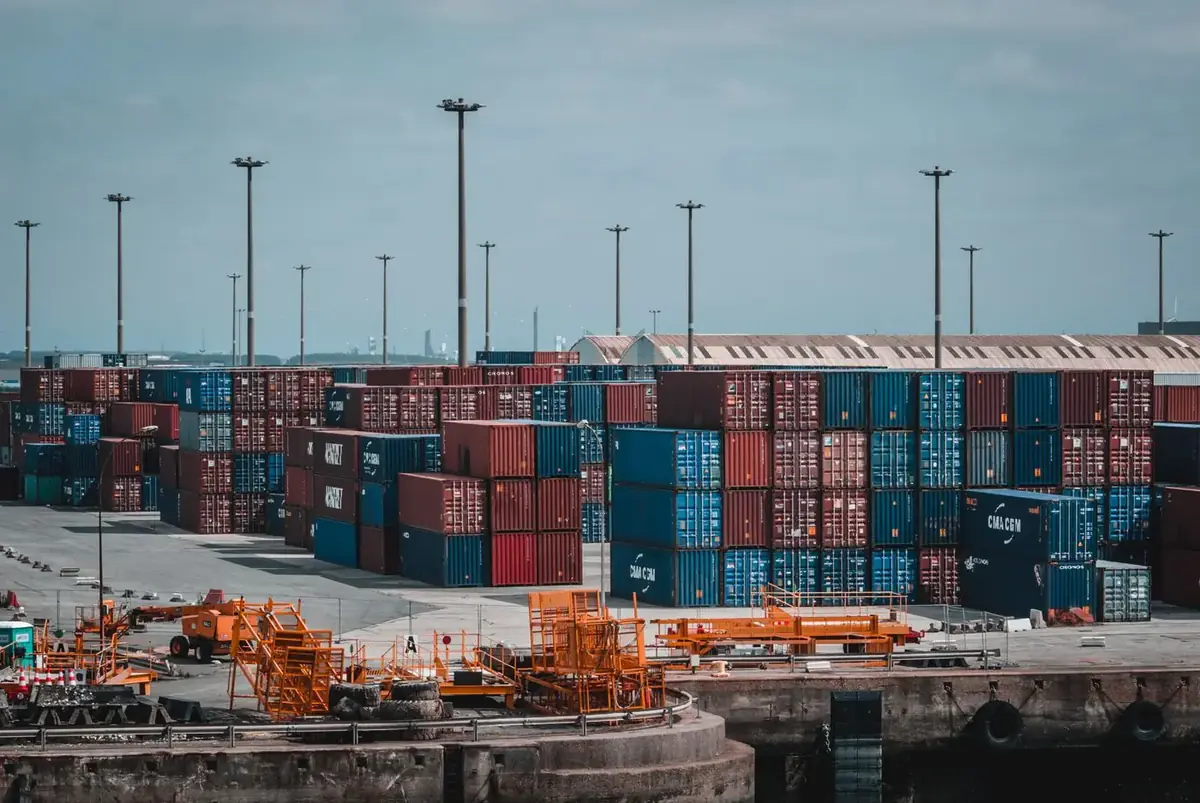
Each lane has its own page: routing, departure terminals, indicative transit, cargo fit and the questions shippers actually ask. Quoting, stowage, export customs declaration and tracking are handled by our own team.
Booking on China-Europe and China-Russia block trains, with terminals compared side by side before we commit space.
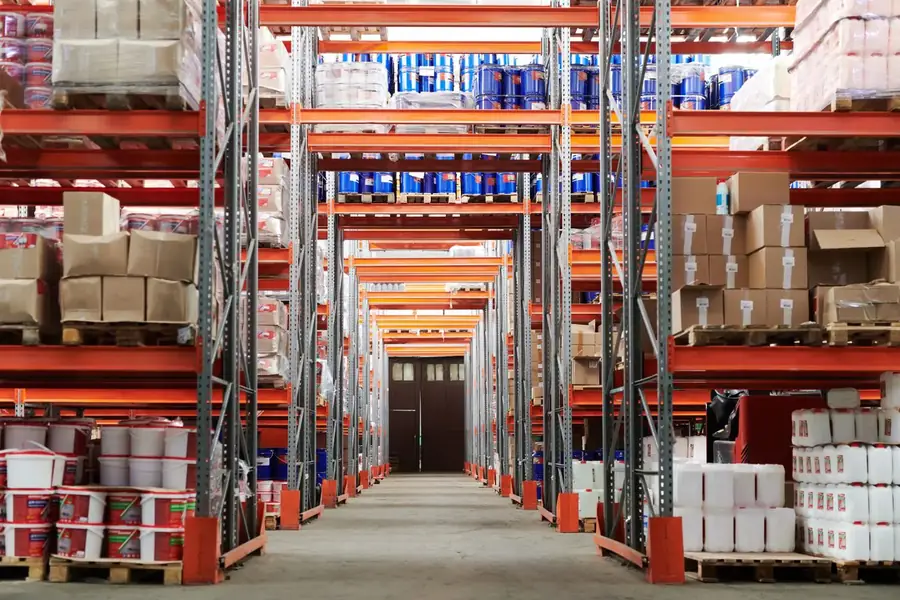
The groupage base is in Xi'an, with modern warehouse equipment and a professional crew. Charged by cube, so smaller lots still move on a stable schedule.
Fixed-timetable block trains with a published slot, so departure and arrival are not left to the pool.
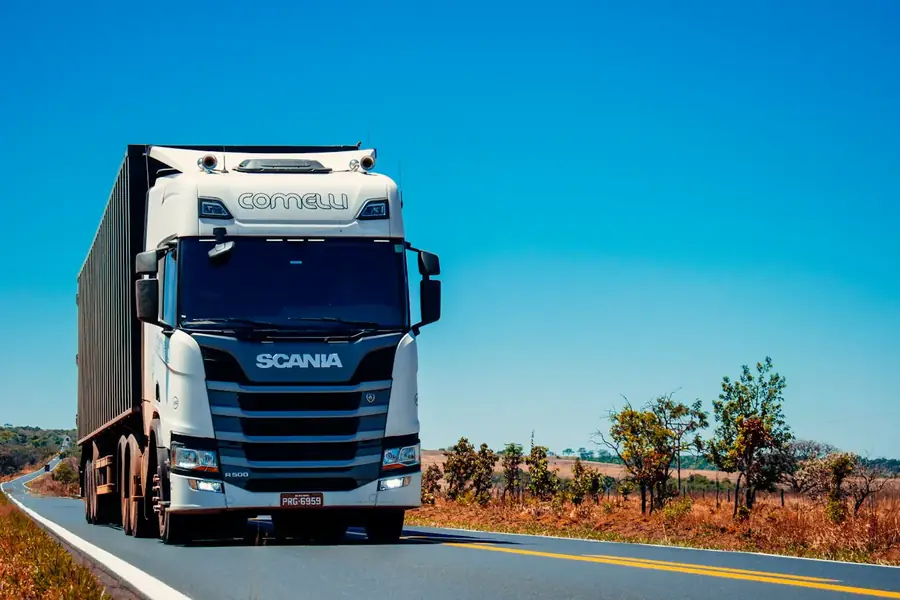
Urgent cargo, out-of-gauge freight, heavy equipment and finished vehicles move by road: one truck, border to door, with no dependence on an ocean sailing.
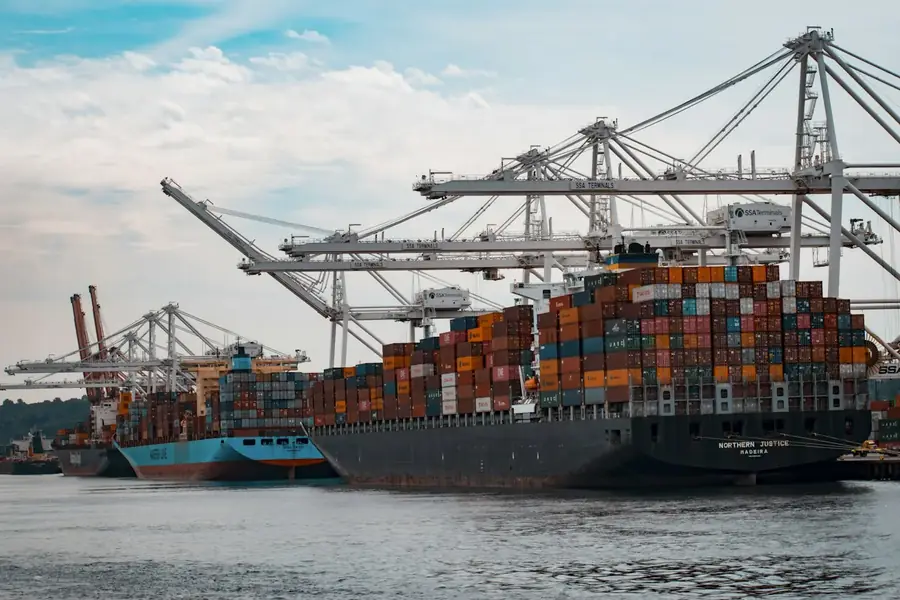
For larger volumes where rate matters more than speed: fixed weekly sailings from Taicang and Zhuhai, cargo accepted nationwide, final delivery to door.
Borders, transit and departure cities for every live lane, so you can pick a direction before we price the actual move.
| Lane | Mode | Exit border | Indicative transit | Departure cities |
|---|---|---|---|---|
| China → Russia (Moscow / St. Petersburg / Yekaterinburg and others) | Rail FCL | Manzhouli / Erenhot / Alashankou | 18–25 days | Xi'an, Chongqing, Chengdu, Zhengzhou, Wuhan, Changsha, Guangzhou, Jinan, Shijiazhuang |
| China → Europe (Duisburg / Budapest / Prague / Hamburg) | Rail FCL · full-timetable block train | Alashankou / Khorgos / Manzhouli | Hamburg 14–16; Duisburg 16–18; Budapest / Prague 18–20 | Xi'an, Zhengzhou and the other major block-train terminals |
| China → Poland / Czechia / Hungary / Italy (by country) | Rail FCL · Malaszewicze gateway | Malaszewicze | Poland 12–16; Czechia / Hungary 18–20; Italy 18–22 | Xi'an and the other major block-train terminals |
| China → Europe (Milan / Malaszewicze / Munich / Liege / Madrid / Lodz / Belgrade) | Rail FCL · conventional routes | Alashankou / Khorgos | 12–22 days | Xi'an, Zhengzhou, Chengdu, Yiwu and others |
| Europe → China (Milan / Duisburg / Malaszewicze / Hamburg / Budapest / Prague) | Eastbound return train | Alashankou / Khorgos | 11–17 days | Truck collection across Europe into the nearest departure terminal |
| China → Baku (Azerbaijan) | Rail FCL · Trans-Caspian rail-sea-rail | Khorgos (or Alashankou) | 20–25 days | Xi'an, Zhengzhou, Chongqing, Hefei, Yiwu, Jinan, Qingzhou |
| China → Tbilisi / Poti (Georgia) | Rail FCL · Trans-Caspian | Khorgos | 27–32 days | Xi'an, Zhengzhou, Chongqing |
| China → Tehran (Iran · Aprin dry port) | Rail FCL · three corridors | Aktau–Anzali / Sarakhs / Incheh Borun | 25–35 days | Xi'an, Wuhan, Zhengzhou, Chengdu, Urumqi, Jinan |
| Iran LCL groupage (Aprin dry port) | Rail LCL · per CBM (1 CBM = 500 kg) | Khorgos / Alashankou | 25–35 days | Consolidated in the Xi'an LCL warehouse, from 1 CBM |
| China → Baku LCL groupage | Rail LCL · Trans-Caspian, no Russia transit | Khorgos / Alashankou | 20–25 days | Consolidated in Xi'an, 1–2 fixed departures weekly |
| China → Iran (via Sarakhs) | FTL road haulage | Khorgos (primary) / Irkeshtam / Khunjerab | 10–15 days | Pickup nationwide; resident dispatch and loading team at Khorgos |
| China → Iran (Bandar Abbas) | Ocean FCL · 20GP / 40HQ | Taicang / Zhuhai (weekly) | Ocean leg 15–25 days | Pickup nationwide; inland final delivery to Tehran and other cities |
| Xi'an → Moscow (Selyatino) | LCL rail groupage | Manzhouli | Indicative transit 18–25 days | Consolidation in Xi'an; cargo accepted nationwide |
| Xi'an → St. Petersburg (Shushary) | LCL rail groupage | Manzhouli | 25–30 days | Consolidation in Xi'an; cargo accepted nationwide |
| Xi'an → Tehran | LCL rail groupage | Trans-Caspian / Turkmen borders | 25–35 days | Consolidation in Xi'an; cargo accepted nationwide |
| Xi'an → Baku | LCL rail groupage | Khorgos / Alashankou (Trans-Caspian) | 20–25 days | Consolidation in Xi'an; cargo accepted nationwide |
| Europe → China (return leg) | Rail import · eastbound return train | Alashankou / Khorgos | 11–18 days | Truck collection across Europe into the nearest departure terminal |
Figures above are normal operating ranges. Actual transit depends on the current schedule, border throughput and season. When we quote, we name the terminals that can take the shipment and the transit we expect for that departure. Rates move with fuel surcharge and season — call or enquire online for the current breakdown.
Two things go wrong in international freight: the routing is wrong, or something breaks and nobody owns it. We deal with both before the cargo moves.
We have worked block-train traffic since the company was founded, through border congestion, schedule changes and rate cycles. Corridor risk is judged from operations, not from a public timetable.
Stable space with the main platforms in Xi'an, Chongqing, Chengdu, Zhengzhou, Wuhan, Changsha, Guangzhou, Jinan and Shijiazhuang. The same shipment is priced across terminals and loaded closest to origin, so the domestic leg is cut first.
Years of oil line pipe, oilfield machinery, PV modules, steel coil, building materials and new energy vehicles. Stowage, lashing, weight calculations and securing plans are already in place. This is not a general-cargo desk that happens to accept heavy freight.
On Iran, rail is 25–35 days, road 10–15 days and the ocean leg 15–25 days, at different prices. We put the options next to the required delivery date and the budget, and we do not push a single mode.
The same coordinator stays on the file from the enquiry to final delivery. Departure, border exit, gauge change and arrival are reported as they happen. Exceptions come with a next action, not a request that you chase us.
Descriptions and documents are reviewed before departure, including gaps in certificates of origin, conformity papers and dangerous-goods files. A problem found at quoting stage costs far less than the same problem at the border.
Operating history with 1,000+ clients and long-standing work with 50+ overseas agents. Major Chinese origins and the main overseas stations can be served directly. Arrival clearance, devanning and final delivery sit with fixed local partners, not a contact found on the day.
Groupage, securing and stuffing are done on our own floor, with modern warehouse equipment and a professional crew. The pace of the work is ours. Peak season does not stall a departure because someone else's warehouse is full.
Six steps, with a named person on the file throughout.
The questions that come up most often before a shipper commits, answered here.
Via Manzhouli, Erenhot or Alashankou (Khorgos), indicative transit to Moscow, St. Petersburg, Yekaterinburg and other main stations is 18–25 days. Peak season and border congestion can add 2–5 days. We state the expected transit for the departure you are booking.
Full-timetable block trains cover Xi'an to Duisburg, Budapest and Prague, and Zhengzhou to Hamburg. They run to fixed stops, a fixed route, a fixed train number, a fixed schedule and a fixed rate: Xi'an to Duisburg 16–18 days, Xi'an to Budapest and Prague 18–20 days, Zhengzhou to Hamburg 14–16 days. Conventional routes cover Milan, Malaszewicze, Munich, Liege, Madrid, Lodz and Belgrade, generally in 12–22 days. Urgent cargo should take the timetable service. Price-sensitive cargo, or cargo for a conventional hub, can take the traditional routing.
Yes. Milan, Duisburg, Malaszewicze, Hamburg, Budapest and Prague can all originate. Typical imports are furniture, auto parts, cosmetics, machinery, timber and food, in 11–17 days. Return space is usually easier to secure, and the rate is typically sharper than westbound. Truck collection is available across Europe into the nearest departure terminal.
Yes, and there are three ways to move it. Rail FCL enters via the Aktau–Anzali Caspian service, Sarakhs or Incheh Borun, in 25–35 days to Aprin dry port, Tehran. FTL road haulage exits at Khorgos in 10–15 days. Ocean freight sails weekly from Taicang or Zhuhai direct to Bandar Abbas: 15–25 days on the water, 25–35 days door to door. Rail space has tightened since traffic through the Strait of Hormuz was disrupted, so book ahead.
Xi'an is not the only origin. We hold space with the main China-Europe platforms in Xi'an, Chongqing, Chengdu, Zhengzhou, Wuhan, Changsha, Guangzhou, Jinan and Shijiazhuang. China-Russia covers nine departure terminals. Baku can load at Xi'an, Zhengzhou, Chongqing, Hefei, Yiwu, Jinan and Qingzhou — see Xi'an to Baku. Georgia is mainly Xi'an, Zhengzhou and Chongqing. Iran can be organised from Xi'an, Wuhan, Zhengzhou, Chengdu, Urumqi and Jinan — see Xi'an to Tehran. Loading closest to the cargo cuts the domestic leg first.
A Trans-Caspian block train uses the Trans-Caspian International Transport Route, also called the Middle Corridor. Cargo exits at Khorgos, crosses Kazakhstan to Aktau, ferries the Caspian to Alyat, then continues by rail to Baku and, via the Baku–Tbilisi–Kars railway, on to Tbilisi and Poti. The corridor does not pass through Russia or Belarus, which has held up better when several routes are under pressure at once. The Caspian is an inland sea, so conditions are far calmer than open ocean, and the crossing is about 24–48 hours.
Yes, with a plan built for the commodity. Oil line pipe, oilfield machinery, steel coil and PV modules are stowed against a weight limit; open-top, flat-rack or a rail flat is assessed when needed. New energy vehicles are declared as vehicles, with state-of-charge control and four-point lashing inside the container. Energy-storage lithium batteries are classified by UN number and need a UN38.3 report, MSDS, dangerous-goods packaging certificate and a transport classification report. We pre-check that file at the enquiry stage.
Origin, destination or arrival station, commodity, pieces, weight and volume, equipment and the target shipping window. The more complete the brief, the tighter the quote. We list comparable prices and indicative transit by terminal and by mode, and we mark how long the rate is valid, so you can compare them on one page.
Founded in 2021, registered capital RMB 5 million, a team of 80+, 1,000+ clients served, long-term cooperation with 50+ overseas agents, and coverage of 100+ cities. In Xi'an we operate a 6,000 m² consolidation warehouse with modern equipment and a professional crew; groupage, securing and stuffing are done on our own floor. At Khorgos a resident team handles truck dispatch and loading supervision, so site issues are dealt with on the spot.
We do the export declaration in China and, on DDP, the destination import clearance. The usual reasons a box is held are a description or HS code that does not match the cargo, missing paperwork (EORI for the EU, T1 transit, ISPM15-treated wood packaging), or a licence that was never checked. Each of these is pre-checked at the enquiry stage. The mechanics are set out on the rail freight customs clearance page.
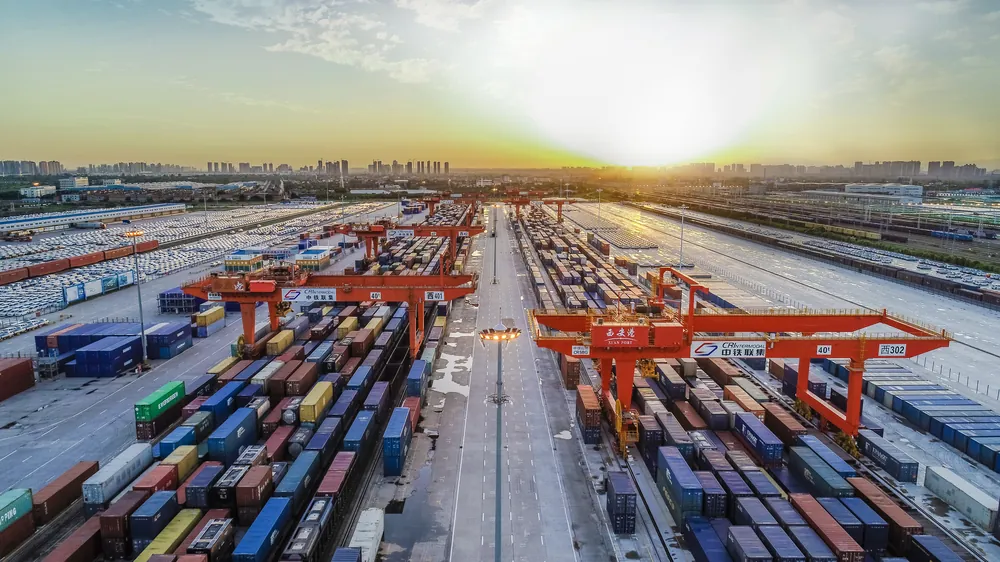
Founded in 2021 with registered capital of RMB 5 million, the company is a MOFCOM-registered international freight forwarder. The team is 80+, with 1,000+ clients served, long-term cooperation with 50+ overseas agents, a network across 100+ cities, and a 6,000 m² consolidation warehouse in Xi'an. We were an early operator on international block trains. The book started on China-Russia and China-Europe, then eastbound return trains and the Trans-Caspian calls at Baku, Tbilisi and Poti, then Tehran, Sarakhs and Akyayla (Etrek) on the Iran lanes. In 2026 we added FTL road haulage and ocean FCL.
The 80+ people cover rating and booking, documentation and export customs declaration, site dispatch and loading supervision, tracking and overseas coordination. A separate resident team at Khorgos handles dispatch and loading supervision. From the enquiry through stowage, declaration, the international leg and final delivery, the main milestones stay with our own people. That is why an exception gets a clear answer quickly.
Tell us origin, destination and cargo. We quote the workable routings together — not just one option.